Live music and great food, reasonably priced. English Menu available. Try the Shabu Shabu (min. Order for 2 pax). Opened on Wednesday when quite a few restaurants along the Main Street were not opened.
Overview
Tucked away at 463 Yamagawa, Motobu, Kunigami District, Okinawa 905-0205, Japan, Churaumi Taro feels like the kind of place you stumble upon after a long day exploring the coast near the Okinawa Churaumi Aquarium-and then can’t stop thinking about. I first visited on a humid summer afternoon, slightly sunburned and very hungry, and what started as a quick lunch turned into a slow, memorable meal that showed me just how rich Okinawan cuisine can be.
The menu leans heavily into local specialties, which is exactly what you want in this part of Okinawa. Okinawan soba, goya champuru, fresh sashimi, and tender rafute (braised pork belly) take center stage. According to the Okinawa Convention & Visitors Bureau, Okinawan cuisine is known for its emphasis on longevity-friendly ingredients like bitter melon, seaweed, tofu, and pork prepared in balanced ways. You can taste that philosophy here. The broth in the soba is clear yet deeply savory, simmered slowly with pork bones and bonito flakes to build umami without overwhelming the palate. When I asked about the preparation, the staff explained that the stock is made fresh daily and never reused, a small detail that speaks volumes about quality control.
One of the most impressive dishes I tried was the goya champuru. Bitter melon can be intimidating, but here it’s sliced thin and stir-fried quickly with tofu, egg, and pork, which softens the bitterness while keeping the crunch. Nutrition research published in the Journal of Ethnopharmacology has highlighted bitter melon’s potential benefits for blood sugar regulation, and while I’m not here to make medical claims, it’s interesting to see how traditional dishes often align with modern nutritional science. At Churaumi Taro, the dish feels both comforting and thoughtfully crafted.
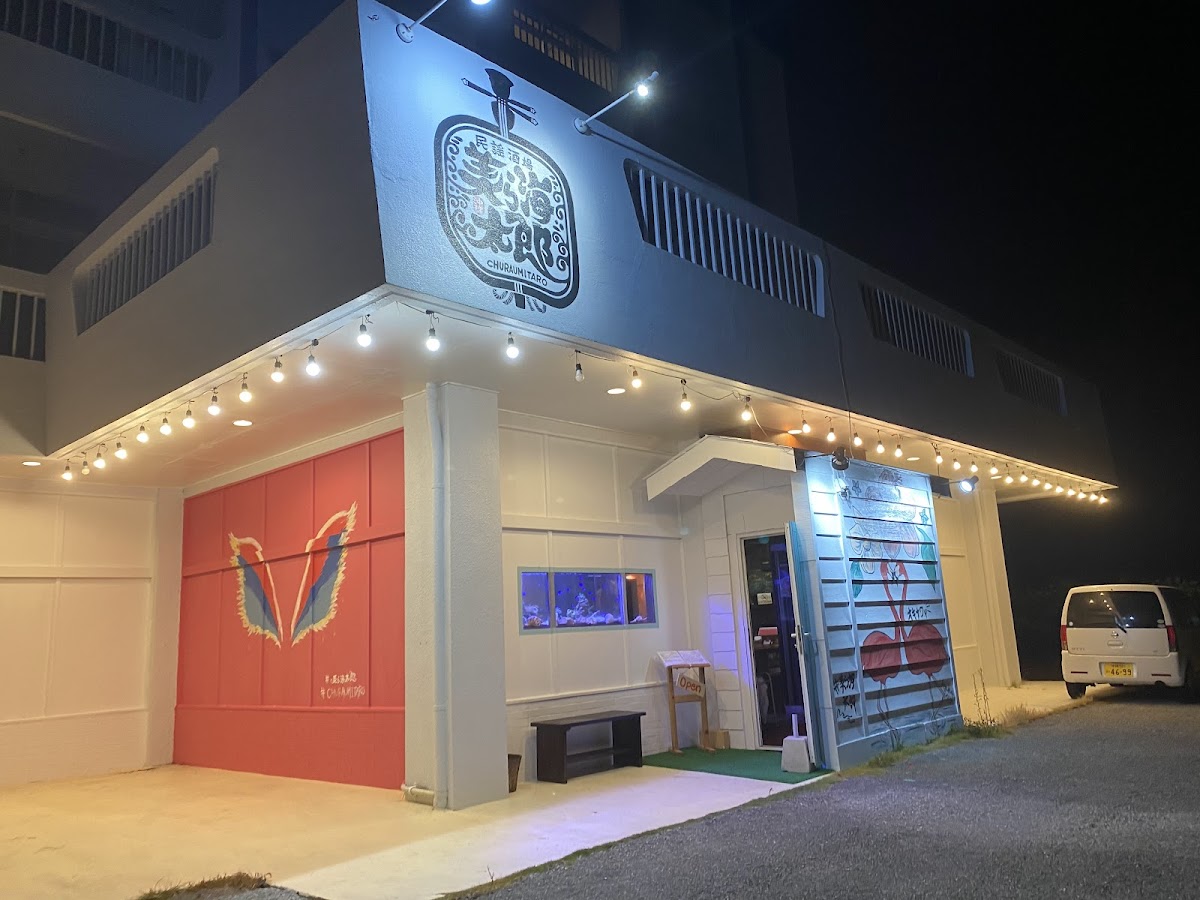
The restaurant itself is cozy and unpretentious. Wooden tables, handwritten specials on the wall, and the faint aroma of simmering broth create an atmosphere that feels more like someone’s home kitchen than a tourist stop. During my visit, I noticed a mix of locals and travelers, which is usually a good sign. A quick look at online reviews shows consistent praise for generous portions and friendly service. Many diners mention the freshness of the seafood, and I can confirm that the sashimi platter I ordered was impeccably sliced, glossy, and sweet-clearly sourced with care.
Location-wise, being in Motobu gives it an edge. After visiting nearby beaches or the aquarium, it’s easy to drop by without detouring far from your route. Parking is available, which in Okinawa is more important than you might think. Accessibility is straightforward, though like many smaller establishments in rural Japan, English menus may be limited. That said, the staff are patient and used to helping international visitors navigate the options.
What really sets this place apart, in my experience, is consistency. I returned a second time six months later with friends who work in hospitality, and we paid closer attention to timing, plating, and service flow. Even during a busy dinner rush, dishes arrived hot, correctly seasoned, and well-paced. The kitchen’s workflow-quick stir-fries handled separately from slow-simmered items-keeps wait times reasonable without compromising flavor. That kind of operational balance isn’t accidental; it reflects a team that understands both tradition and efficiency.
Of course, no restaurant is perfect. Seating can fill up quickly during peak travel seasons, and wait times may stretch on weekends. If you’re visiting during Golden Week or summer holidays, arriving early is wise. Also, while the menu celebrates local classics, those looking for highly experimental or fusion-style dishes might find it more traditional than trendy. Still, that’s part of its charm.
For anyone exploring Okinawa and wanting an authentic taste of regional cooking-clear-broth noodles, stir-fried island vegetables, and seafood that tastes like it came straight from the East China Sea-this spot delivers. The flavors are honest, the portions satisfying, and the setting relaxed. In a region celebrated for its food culture and longevity, eating here feels like participating in something rooted and real, not just ticking off another restaurant on a travel list.
Good to know
Service options
✓ Takeaway ✓ Dine-in ✓ DeliveryHighlights
✓ Live music ✓ Live performancesPopular for
✓ DinnerAccessibility
✓ Wheelchair-accessible car park ✓ Wheelchair-accessible entranceOfferings
✓ Alcohol ✓ Beer ✓ Cocktails ✓ Food at bar ✓ Quick bite ✓ Small platesDining options
✓ Dinner ✓ Dessert ✓ Seating ✓ Table serviceAmenities
✓ Smoke-free place ✓ ToiletAtmosphere
✓ Casual ✓ CosyCrowd
✓ Groups ✓ TouristsPlanning
✓ Dinner reservations recommended ✓ Accepts reservationsPayments
✓ Credit cards ✓ Debit cards ✓ PayPayChildren
✓ Good for kids ✓ High chairsParking
✓ Free parking lot ✓ ParkingPhotos
1 / 4
Location
Reviews
- No ratings yet 332 reviews
Live entertainment along with drinks and food you can order on your phone after scanning a bar code. Cute photo opps too!
Love this place, the owner / musician is great fun, & the food is stellar. Definitely a fun night out! Good idea to reserve a table!
"Churaumi Taro" good song and very great dinner, delicious food
Traditional Izakaya restaurant. Nice food and drinks. Friendly staff.
Great Okinawan food with sanshin music and Uchinaguchi singing.
Nice Izakaya, live music is fun. Food and drinks are decent and the prices are very reasonable
Delicious Okinawan food with life performance! Highly recommended